History and Scientific Discovery
El Triunfo Biosphere Reserve was officially established in 1990 as one of Mexico's most critical protected areas. However, its scientific importance was recognized decades earlier, when naturalist Archie Carr visited the region in 1972 to study endemic fauna. The cloud forest covering the heights of Chiapas's Sierra Madre represents one of the last intact refuges of this extraordinary ecosystem in North America.
The discovery of new species has continued at El Triunfo to the present day. Between 1990 and 2024, CONANP researchers and national universities have documented over 15 species new to science, including amphibians, insects, and plants. This discovery rate suggests that the true biodiversity of the forest has not yet been completely catalogued.
The reserve encompasses 119,177 hectares in total, though only a small portion is accessible to the public. The area represents a "biodiversity island" surrounded by transformed landscapes, making it critical for the survival of species that have lost all other habitats in the region.
The Cloud Forest Ecosystem
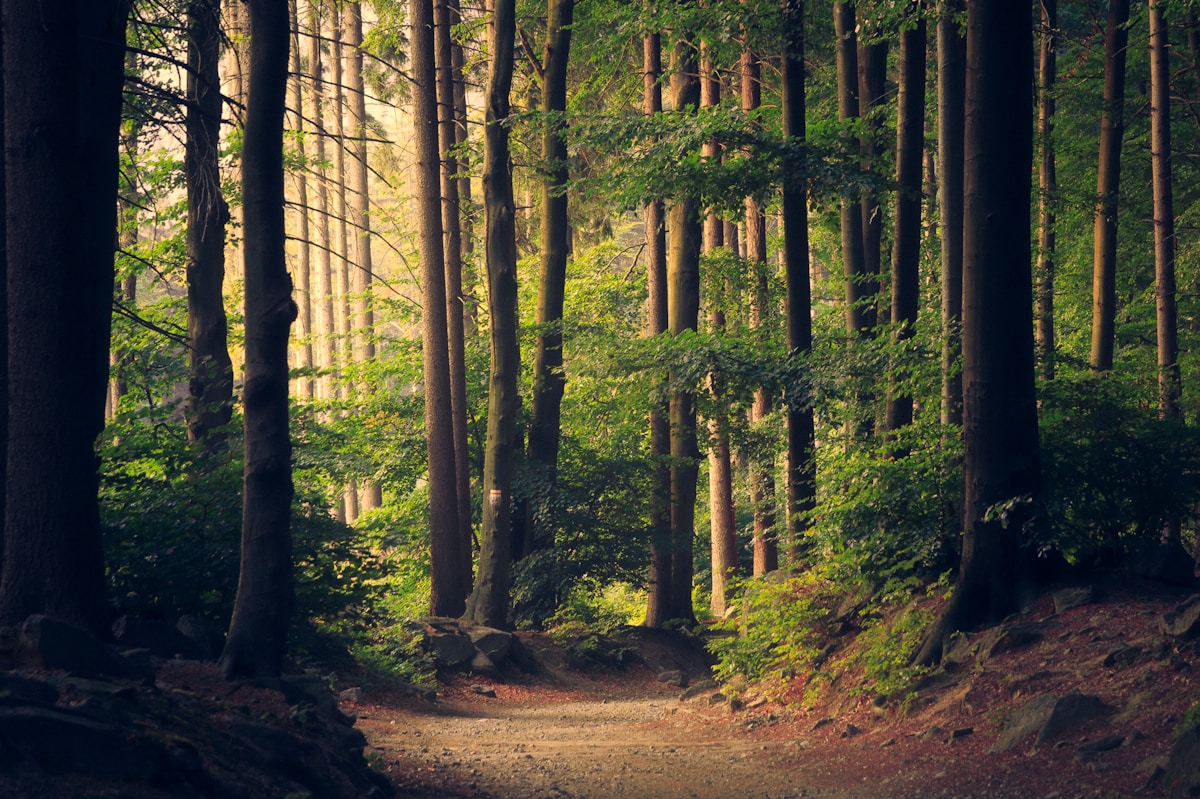
El Triunfo's cloud forest extends between 1,500 and 2,450 meters altitude, with an average tourism operation altitude of 1,800 meters. This altitudinal range creates a gradual transition of ecosystems, from montane cloud forests at lower elevations to pine-oak forests at the peaks.
The climatic conditions are extremely specific: the average annual temperature ranges from 12°C to 18°C, with precipitation reaching 3,500-5,000 millimeters annually. "Orographic fog" is the most important water transfer mechanism, capturing moisture carried by trade winds that collide with the hillsides. On clear days, visitors can see how mist envelops the forest like a second rainfall, supplying up to 50% of the ecosystem's water input.
The forest soil is deep and rich in organic matter, constantly replenished by falling leaves, branches, and dead organisms. This soil retains enormous amounts of water and carbon, acting as a global carbon "sink": El Triunfo's 119,177 hectares store approximately 5 million tons of carbon in plant biomass, contributing significantly to climate change mitigation.
Emblematic Fauna: Quetzal and Horned Guan
The resplendent quetzal (Pharomachrus mocinno) is the crown jewel of El Triunfo. With its emerald green feathers and crimson-red tail, the quetzal has been revered since Mesoamerican antiquity as a symbol of freedom and divinity. In El Triunfo, between 250 and 300 breeding pairs inhabit the reserve, representing approximately 8-10% of the remaining global population of the species.
Quetzal reproduction occurs between April and June, when pairs excavate nests in rotting logs at altitudes of 1,800-2,200 meters. Visitors arriving in May and June have a 70-80% sighting probability, especially in the early morning hours. The quetzal feeds primarily on fruit from avocado-like trees (Ocotea species), which abound in El Triunfo thanks to its perfect climate.
Equally important is the horned guan (Oreophasis derbianus), one of North America's most threatened birds. Fewer than 2,500 individuals remain in the world, with approximately 300-400 pairs in El Triunfo. This bird, with dark gray plumage and a characteristic "red face," is extremely shy and has been intensively studied by the CONANP conservation project since 1993.
Endemic Orchids: Over 500 Species
El Triunfo hosts over 500 orchid species, representing approximately 12-15% of all Mexican orchids. Many of these species are endemic to the reserve, meaning they exist nowhere else on Earth. Among the most spectacular are Guarianthe aurantiaca (orange orchid), Laelia speciosa (purple orchid), and Masdevallia ventriculata.
Orchidological diversity is possible thanks to several factors: the constant humidity of the cloud forest provides perfect conditions for hundreds of epiphytic species (living on trees) to thrive. The oldest trees in El Triunfo are 300-500 years old, and their bark, upper branches, and cavities harbor completely distinct microbiological ecosystems with dozens of orchid species and other epiphytes.
Beyond orchids, El Triunfo is home to 2,000+ vascular plant species, including specialized ferns, mosses, and lichens. The latter are critical air quality indicators: their massive presence in El Triunfo suggests that the forest maintains exceptional air quality, free from severe industrial pollution.
Trails and Camps: How to Explore the Reserve
El Triunfo offers two main trails accessible to visitors: El Triunfo Camp Trail and Palo Gordo Trail. Both require prior CONANP permits and must be reserved 15-30 days in advance.
El Triunfo Camp Trail (8 kilometers round trip, 4-6 hours): This trail begins at the control station at 1,600 meters and gradually ascends toward the El Triunfo scientific camp at 1,950 meters. The path traverses dense cloud forest, with frequent opportunities to spot quetzals between April and June. The camp has basic cabins with capacity for 8-12 people, dining facilities, and access to treated drinking water. This is the recommended trail for quetzal sightings.
Palo Gordo Trail (12-14 kilometers round trip, 8-10 hours): This more difficult trail ascends from 1,600 meters to 2,450 meters, the highest point of the reserve accessible to visitors. Panoramic views are extraordinary on clear days, with the possibility of seeing all the way to the Chiapas coast. The trail passes through diverse microhabitats: cloud forest, pine-oak forest, and finally high-altitude mountain grassland. The hike is demanding, but the landscapes completely justify the effort.
CONANP Permits and Reserve Access
Access to El Triunfo Biosphere Reserve is strictly controlled by Mexico's National Commission of Natural Protected Areas (CONANP). This is not an obstacle, but a protective measure to preserve the delicate ecosystem and ensure that tourism does not harm fauna and flora.
How to obtain permits: Visitors must request authorization by contacting the CONANP Regional Office in Tuxtla Gutiérrez. The process is straightforward but requires patience. The permit cost is 200-300 Mexican pesos per person, and the request must be made 15-30 days in advance. Basic information is required: visitor names, visit dates, trails planned, and confirmation that you understand environmental protection terms.
CONANP also requires visitors to register at the control station before entering. Here you will receive updated information on trail conditions, recent sightings, and specific regulations. The reserve's forest rangers are available to accompany groups if requested, though this has an additional cost of 500-800 pesos per day per ranger.
Conservation Efforts and Research Projects
El Triunfo is not simply a protected reserve, but a living conservation laboratory. Since 1990, CONANP, universities such as UNACH and ECOSUR, and international organizations like The Nature Conservancy have been working on research and conservation projects without pause.
Quetzal Monitoring Program (active since 1993): This long-term project continuously monitors the quetzal population to detect changes in breeding rates, nesting success, and habitat availability. Data collected have shown that the quetzal population in El Triunfo has remained stable over the past 30 years, which is one of the few good conservation news stories in the Neotropics.
Lacandona-El Triunfo-Selva Maya Biological Corridor: El Triunfo is connected through an ecological corridor to other protected reserves, allowing genetic flow between isolated populations of quetzals and guans. This corridor, spanning over 600,000 hectares of forest, is critical for the long-term survival of these species.
The annual budget for conservation at El Triunfo is approximately 5-8 million Mexican pesos, financed primarily by federal funds, international donations, and eco-tourism. These funds are used for anti-poaching patrols, scientific research, local environmental education, and infrastructure improvement.
Best Season for Visitors and Planning
The visiting season at El Triunfo can be divided into two main periods, each with distinct advantages. The choice will depend on your observation priorities and tolerance for weather.
Dry season (January-March and September-November): During these months, there is less rain and clouds are less dense. Average temperatures range from 12-16°C, and trails are in better condition. However, visibility is not as clear as one might expect, because the cloud forest maintains its characteristic mist even in dry season. Quetzal sighting rate is 20-30% during these months.
Breeding season (April-June): This is the best time to see quetzals, with success rates of 70-80%. Quetzals are more active and vocal during their nesting season. Temperatures are similar (14-18°C), but rain is more frequent, especially in the afternoons. Trails can be wet and slippery, requiring appropriate hiking boots. The horned guan is also more vocal during these months.
General recommendation: If your main goal is to see quetzals, visit between May and June. If you prefer drier trail conditions and a quieter presence in the reserve, visit January-February or September-October. In any case, reserve your permits at least 30 days in advance.
Global Impact and Relevance of El Triunfo
Although El Triunfo occupies only 119,177 hectares (less than 0.06% of Mexico's surface area), its global importance for conservation is disproportionately large. El Triunfo is one of 35 "biodiversity hotspots" identified globally by Conservation International, where the highest levels of endemism (unique species) converge with extreme threats.
Global contribution: Cloud forests like El Triunfo cover less than 1% of the planet's land surface, but harbor between 2-3% of all terrestrial plant species. This means that, though minuscule in area, these forests are disproportionately rich in biodiversity. El Triunfo, in particular, contains species that exist nowhere else on the planet, making it an "evolutionary refuge" of incalculable importance.
Preserving El Triunfo also has importance for climate change: the 5 million tons of carbon stored in the forest represent a global ecosystem service valued at approximately 250-300 million US dollars per year in terms of carbon mitigation. Losing El Triunfo would not only be a local ecological tragedy, but an irreparable global loss.
Suggested itineraries
Complete Quetzal Sighting Experience
3-day immersion in El Triunfo during quetzal breeding season (May-June) with overnight stay at El Triunfo Camp.
Palo Gordo Hiking Adventure
Challenging 2-day hike to El Triunfo's highest point (2,450m) with panoramic views of the cloud forest.
✨ Book & Save
Recommended links to complement your trip. Booking through these links supports Marimbas Home at no extra cost.