
San Cristóbal: Where Indigenous Gastronomy Meets the World
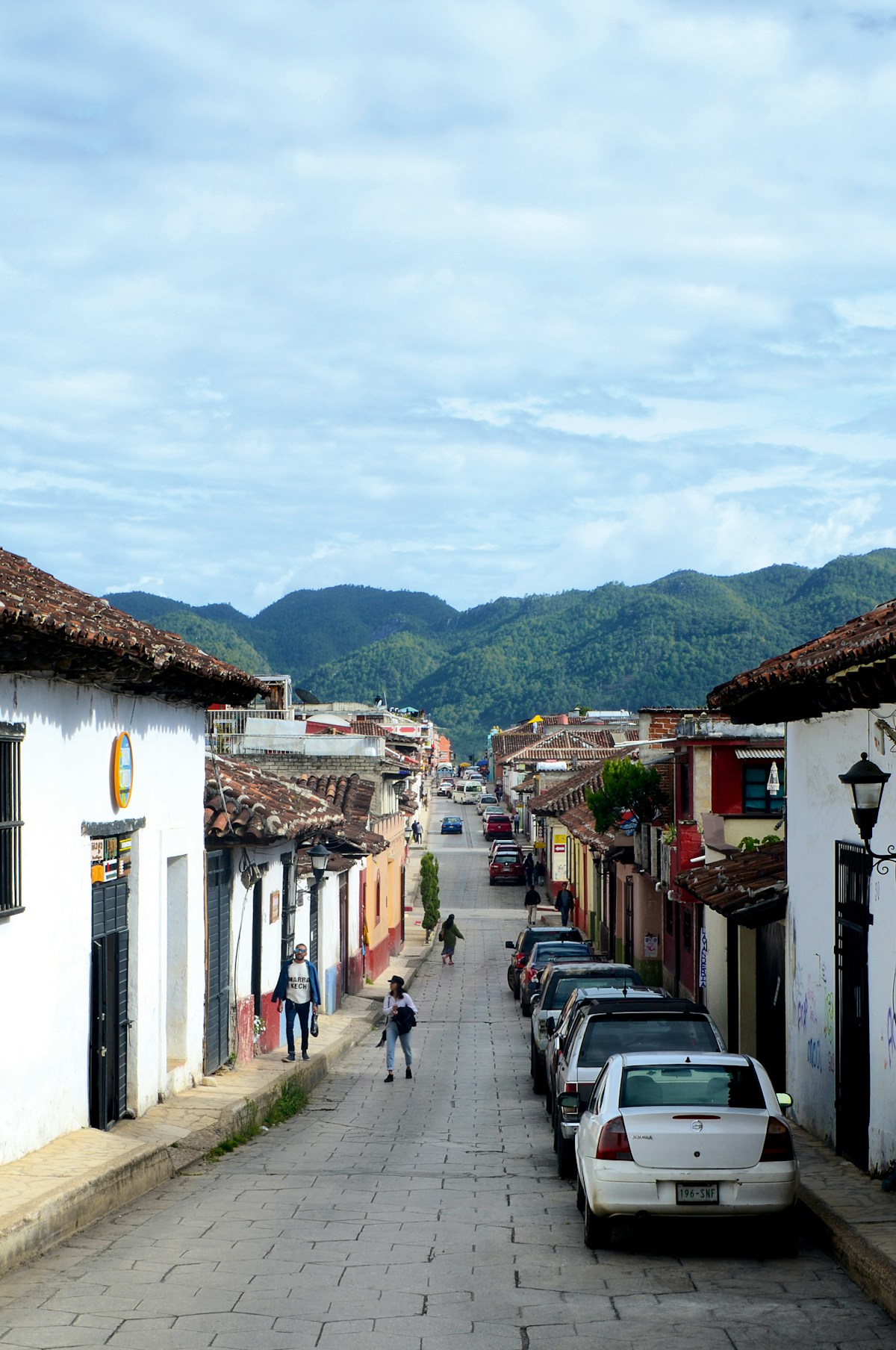
San Cristóbal de las Casas is not simply a picturesque colonial city in Chiapas. It is a convergence of gastronomic worlds, where centuries of Tzotzil and Tzeltal tradition meet the influences of contemporary chefs who have discovered in the Highlands a culinary goldmine. At 2,100 meters altitude, this transcendent city has undergone a silent but profound transformation: from being known primarily for its architectural and cultural heritage, it now emerges as one of Mexico's most exciting gastronomic destinations.
San Cristóbal's geography is a character in itself. Extreme altitude means ingredients grow under unique conditions: corn is sweeter, coffee is more aromatic, vegetables develop more complex flavor profiles. Cold temperatures (9-15°C during the day, near-freezing at night) generate a cuisine of warmth, comfort, and caloric density that reflects the town's needs. Historically, this meant dense pozoles, varied tamales, and beverages like chocolate de agua, prepared since pre-Hispanic times. Today, it means that foreign chefs arriving in San Cristóbal find in its markets ingredients impossible to source elsewhere: native edible flowers, wild mushrooms of unknown varieties, aromatic herbs that grow only in the region.
San Cristóbal's gastronomic revolution began just 15 years ago with the coffee boom. Chiapas is Mexico's largest coffee producer (38% of national production), and San Cristóbal positioned itself as the capital of the state's coffee experience. It's not just commodity coffee: it's a revolution of single-origin, micro-lots, cupping, and consumer education. Local roasteries (Carajillo, Café La Selva, Kinoki) transformed how Mexicans think about coffee. Then came restaurants by renowned chefs, artisanal chocolatiers, and reinvented fondas with contemporary technique. San Cristóbal now attracts food writers, international sommeliers, and curious chefs from throughout Latin America.
What makes San Cristóbal's gastronomic scene unique is that it has NOT sacrificed its roots. A tamale stand in the Mercado de Santo Domingo may sit next to a Michelin-aspirant restaurant, and both are authentically San Cristóbal. The indigenous woman selling pozol from 6am uses exactly the same recipe as her grandmother, while three blocks away a chef prepares a contemporary deconstruction of that same pozol. Both experiences are valid, necessary, and reflect the real complexity of the city.
This guide will take you on a route that honors both worlds. We'll begin in the heights of coffee cultivation, descend to markets where tradition persists uncompromised, explore the reinvention of traditional chocolate, visit author restaurants in colonial mansions, find the real fondas of the center (those only locals know), experience San Cristóbal's gastronomic night, and finish with practical advice for navigating the city at this altitude. San Cristóbal is a flavor experience that not only nourishes the body but educates the palate and broadens perspective on what Mexican cuisine can be.
Stop 1: Highland Coffee — The Grain Revolution
We begin at dawn, when San Cristóbal still sleeps and mist covers the cobblestone streets. San Cristóbal coffee is not a commodity. It's a declaration of identity, proof that geography, care, and technique can transform a coffee bean into a contemplative experience. The Highlands of Chiapas produce coffee at altitudes between 1,200 and 1,800 meters, where growth is slow and deliberate, allowing complex flavor profiles to develop: notes of red fruits, white flowers, dark chocolate, spices. These Chiapan coffees compete internationally with the finest coffees from Ethiopia, Kenya, and Central America.
Carajillo Café: Located on Calle Cristóbal Colón (the heart of the historic center), Carajillo is legendary among coffee lovers. Founded 12 years ago by a master roaster who studied with the Specialty Coffee Association, Carajillo obsessively focuses on micro-lots from small farms in the Highlands. Each coffee has a story: El Triunfo farm, run by the López family for three generations, produces a medium-bodied coffee with mandarin and cocoa notes. Belén farm, at 1,500 meters, grows under native shade trees, resulting in a more delicate coffee with clean acidity. Cupping sessions occur Saturdays (10am-12:30pm, $120 MXN per person, max 8 participants). During a typical cupping, you'll taste 3-5 different coffees, learn to identify aromas, cup as Q-graders do, and discuss with the master roaster the harvest, processing, and science behind each cup. The espresso is exceptional, pulled at exact pressure with 27-second extraction. A cortado costs $45 MXN, cappuccino $50 MXN. From Carajillo, walk 3 minutes toward Plaza Mayor for your next stop.
Café La Selva: On Avenida Belisario Domínguez (10 minutes walk from Carajillo), La Selva represents the most commercial but no less authentic face of Chiapan coffee. This space is simultaneously shop, café, museum, and education center. The facade is a colonial mansion converted, with a terrace overlooking tropical gardens where coffee plants grow in planters. Here you can buy coffee beans (from $180 MXN/pound for blends to $280 MXN/pound for single-origin premium), but also enjoy artistic beverages: lattes with Chiapan oat milk, cold drinks with coffee concentrate and coffee ice. The coffee initiation workshop ($80 MXN, 45 minutes) teaches brewing methods: pour-over, AeroPress, Moka pot, and French press. The barista explains why water must be 90-96°C, how grind size affects extraction, and what truly means "good coffee." Tourists are often surprised to discover that well-prepared coffee is more complex than many wines. Order a filter coffee with pan de yema (local sweet bread, $12 MXN) — locals call it "the perfect Chiapas combination."
Kinoki Tostador de Café: The smallest of the three, located on a side street near Santo Domingo Church, Kinoki is for purists. Here there's no wifi, no outlets for laptops, no attempts to be "instagrammable." It's an artisanal roaster where owner Javier has been roasting the same coffee since 2009 on machines he built himself. The roast is medium, allowing the coffee's natural acidity to shine. Beans are roasted in 2kg batches in a rotating iron cylinder, heated by local pine wood fire. The smell is intoxicating, hypnotic. Kinoki sells mainly in beans (it's hard to get prepared coffee here), but if you ask nicely, Javier will prepare a pour-over with a coffee that changed your life. The price: $40 MXN. You have to find Kinoki (it has no sign, no clear numbers). Ask locals on Calle Hermanos Domínguez — everyone knows it. This is authentic San Cristóbal.
Timing Tip: The best time to visit San Cristóbal and coffee is November through January, when the harvest is fresh and coffees have maximum aromatic vibration. Cuppings and workshops are more frequent during these months. Rainy season (May-October) is less popular with tourists but gives you a more local experience. Coffee is served hot year-round because the city's temperature justifies that need.
Stop 2: Mercado de Santo Domingo — Indigenous Heart
If Carajillo is contemporary San Cristóbal, the Mercado de Santo Domingo is eternal San Cristóbal. Located at the Plazuela de Santo Domingo (8 minutes walking from center), in the shadow of the colonial basilica, this market is a labyrinth of indigenous life, ancestral flavors, hand-woven textiles, and undiminished energy. The Tzotzil and Tzeltal women working in the market wear regional dress: blouses embroidered with geometric patterns that look like codes from an ancient visual language, pleated skirts in deep colors, men with characteristic ponchos. But what you see is secondary. What matters is what you eat.
Perfect Arrival: 6:00 AM: Arrive promptly at 6am, when the market opens and women are arranging fresh products. At this hour, the market is mostly local — few tourists yet. You'll see workers stopping before their jobs, grandmothers buying ingredients for midday meal, professional cooks choosing vegetables. This is the true life of the market, before it becomes a tourist attraction.
Tamales: The Gateway: Look for tamale stands. They're easy to identify: smoke from aluminum pots, women using cotton cloths to keep tamales warm, hand-woven baskets with small packages wrapped in corn husks. Chipilín tamales are legendary in San Cristóbal — chipilín is an herbaceous plant with a green, mineral, slightly bitter flavor (frequently compared to parsley but much more subtle and sophisticated). A typical chipilín tamale has nixtamalized corn dough, filled with chipilín and fresh cheese, wrapped in corn husk, steamed. It costs $8 MXN. Also try rajas con queso tamales ($8 MXN), where rajas are roasted and peeled poblano peppers, adding a smoky, slightly spicy character to the soft dough.
Pozol: The Divine Dish: Pozol is the oldest drink of Mesoamerica — archaeologists have found evidence of its preparation 3,000 years ago. In San Cristóbal, pozol is more than a drink; it's a ritual. It's prepared by boiling nixtamalized corn with water for hours until the kernels fully open, revealing their white floury interior, and absorbing all the water. Then it's served in a large bowl, seasoned with salt and garlic, stock added (sometimes chicken, sometimes plain), and accompanied by tostadas, oregano, chili powder, and chopped onion. Some stands make pure white pozol; others make it red (with ground dried red chiles). It costs $25-35 MXN per large bowl. It's best eaten inside the market — the atmosphere of women conversing in Tzotzil, the smell of cooking, the controlled chaos — are part of the experience.
Chocolate Atole and Ground Coffee: Parallel to pozol exists atole — a pre-Hispanic drink based on ground corn, water, and various flavors. Chocolate atole is San Cristóbal's favorite: finely ground corn is mixed with artisanal chocolate, cinnamon, vanilla, and milk, creating a thick, comforting drink, almost a dessert. Accompany the atole with sweet bread from the market (bolillo with chocolate inside, $6 MXN). Atole costs $12 MXN. Locals also love "café de olla" — coffee made in a clay pot with cinnamon and piloncillo, costs $10 MXN, and has a smoky, spiced flavor not found in any modern coffee.
Ancestral Vegetables: If you're a cook or ingredient enthusiast, spend time exploring the vegetable section. You'll find ayote (local squash), chayote (oddly-shaped vegetable similar to a pear), loroco (crispy edible flowers with young asparagus flavor), pápalo (an herb with diesel-mineral flavor), broad-leafed cilantro, hoja santa (giant leaf with anise flavor). Prices are minimal: $20 MXN for a bag of various vegetables. Most of these vegetables don't exist in other Mexican markets, making the Mercado de Santo Domingo an ethnobotanical treasure.
Artisanal Chocolate from Local Vendors: Midway through the market, you'll find women selling artisanal ground chocolate. Traditional Chiapan chocolate is ground cacao with almonds, cinnamon, and sugar, all mixed and ground manually. It's sold in dry chocolate blocks ($40-60 MXN), and the buyer dissolves it in hot water at home. Some blocks are pure chocolate; others contain additional spices. Ask the vendor to describe the contents — older women frequently make chocolate with secret family recipes.
Estimated Time: Spend 90-120 minutes in the market. Eat well (tamales + pozol + atole), walk slowly, observe, buy ingredients if planning to cook, chat with vendors (many speak Spanish). The market peaks around 9am, so you'll exit before then.
Stop 3: Chocolate & Cacao — Millenary Tradition
San Cristóbal's chocolate is not a dessert. It's a religion. Chiapas is the cradle of Mesoamerican cacao — Mayans and Aztecs considered it a gift from the gods, used it in religious ceremonies, traded it as currency. When Spanish conquered Mexico in the 16th century, chocolate was one of the few things that returned to Europe transformed, appreciated as medicine and luxury drink. For 400 years, chocolate remained practically unchanged in the region — the same ancestral recipe, same manual technique. Then, 15 years ago, a new generation of artisanal chocolatiers in San Cristóbal decided to resurrect chocolate de agua, ground chocolate, ceremonial chocolate.
Kakaw Chocolate & Café: Located on Calle de la Paz (a tranquil spot, away from tourist bustle), Kakaw is more than a café or chocolate shop. It's a museum, laboratory, learning space. Owner David Guzmán is a certified ethnobotanist and chocolatier. Kakaw grows its own cacao on a farm in Las Margaritas (1-2 hours south of San Cristóbal), and controls the entire process from bean to cup: fermentation, drying, roasting, grinding. The result is chocolate with explosive flavor, completely different from industrialized chocolate. At Kakaw you'll find:
Artisanal Ground Chocolate: Sold in small kraft paper bags, labeled with cacao variety and origin region. "Cacao Margariteño" (from southern Chiapas) has notes of red fruits and spices. "Cacao Lacandón" (from the jungle heart) has earthy, almost floral notes. It costs $90-120 MXN per 200 grams. Customers dissolve the powder in hot water (not milk — this is important), create a thick and ritual drink. It's unsweetened; the chocolate tastes like pure cacao.
Chocolate de Agua (Pure Xocolatl): This is the drink Aztecs drank — ground cacao, hot water, foam. Kakaw prepares it using a traditional wooden instrument called molinillo, creating characteristic foam on top. It's served in hand-made ceramic cups. It costs $60 MXN. The first time you try it, it's a shock — it's bitter, intense, with no added sugar. But then you understand the ancestral obsession. Kakaw also offers "cacao ceremonial" sessions ($150 MXN, 90 minutes) where you learn about cacao's history, prepare it yourself using pre-Hispanic techniques, and drink it in group — it's almost a spiritual experience.
Museo del Cacao - Na Bolom (House of the Jaguar): 15 minutes walk from Kakaw (address: Calle Nututum, number 1), is Na Bolom, an exceptional place. It's simultaneously house-museum, library, and cultural center dedicated to cacao. Founded in 1951 by archaeologist Frans Blom and his wife Trudy, it remains a bohemian, intellectual space of incredible architectural beauty. Museum rooms explore cacao's history from pre-Hispanic times to present. You'll see replicas of Maya ceramic vessels with cacao glyphs, Spanish colonial documents about cacao trade, antique roasting machines, grinding tools. Museum admission costs $60 MXN. But the best part is the back garden — it's full of living cacao plants (Theobroma cacao) growing under shade of larger trees. Guides explain what a cacao pod looks like, how it opens, how it ferments, how the bean is prepared for roasting. Na Bolom also has a small shop of artisanal cacao made by regional producers, fair-trade certified. Buy chocolate from Los Altos for $100 MXN — it's direct money to cultivators' hands.
Chocolatera El Peregrino: On Avenida Cristóbal Colón (the center's heart), you'll find this small place selling chocolate since 1950. Owner Don Manuel (87 years old) continues making ground chocolate exactly as his grandfather did. The place is tiny — barely fits one person comfortably — but the aroma is ineffable. Don Manuel offers free "tastings" if you ask — gives you small samples of different chocolates while telling stories of Chiapas, the revolution, how everything changed in recent decades. Chocolate costs $70 MXN per 250 grams. It's an institution, a place where time stops.
Critical Difference: Traditional vs. European Chocolate: European chocolate (Swiss, Belgian) is made with industrially-processed cacao, lots of cocoa butter, and milk. It's smooth, sweet, homogeneous. Chiapan artisanal chocolate is completely different: cacao is minimally processed, sugar is minimal, milk is optional. The result is chocolate that tastes like pure cacao — bitter, intense, with flavor profiles that change depending on region, fermentation, roasting. It's not "better" than European chocolate — it's simply different, more complex, less accessible. It's an acquired taste. But once acquired, industrial chocolate will seem plastic to you.
Final Recommendation: Buy chocolate to take home. Fill your backpack with blocks of ground chocolate from different origins. At home, for months afterwards, you'll dissolve these blocks in hot water, remember San Cristóbal, and understand why this city was the heart of the chocolate revolution.
Stop 4: Author Restaurants in Colonial Mansions
Night arrives in San Cristóbal, and with it comes transformation. The historic center, which during the day is tourism and market, becomes a space of contemporary gastronomy. The city's most exciting restaurants operate from 17th and 18th century colonial mansions, houses that once sheltered wealthy Spanish, then Mexican merchants, now temples of author cuisine. These are not tourist restaurants — they're places where truly talented chefs experiment with local ingredients, contemporary techniques, and culinary narratives that honor tradition without sacrificing innovation.
TierrAdentro (If It Has San Cristóbal Location): TierrAdentro is a renowned restaurant that, in some periods, has had presence in San Cristóbal (confirm its current status before arrival). If open, it's a must experience. TierrAdentro's concept is "land cuisine" — ingredients from small Chiapas producers, techniques honoring indigenous tradition but with completely contemporary dishes. Menu is tasting (8-10 dishes, $450-600 MXN). Expect things like a reinterpretation of black mole using different regional spices, ceviches made with local vegetable water, edible insects prepared as appetizers. Service is educational — each dish comes with explanation of ingredient origins, technique, inspiration. TierrAdentro attracts chefs and food writers from throughout Mexico.
El Fogón de Jovel: Located on Calle Cristóbal Colón (the center's epicenter), El Fogón de Jovel is a traditional-contemporary restaurant operating since 1998. "Jovel" is the ancient Maya name for San Cristóbal, and "fogón" is the home's fire — the metaphor is clear. Chef Javier Toledo has dedicated his career to understanding Oaxacan and Chiapan cuisine, then reinterpreting it with European technique. Atmosphere is colonial house: stone walls, candles, interior courtyard with plants, soft music. Menu changes seasonally, but expect things like corn soup with Mexican truffles ($140 MXN), black mole with confited duck ($280 MXN), poblano pepper tamales with goat cheese cream ($120 MXN). Prices are high for San Cristóbal but reasonable considering quality. Reserve in advance — El Fogón frequently fills up.
Lum: The smallest and most experimental of the three, Lum is an 8-seat restaurant in a colonial mansion requiring search. It has no clear website, isn't on Google Maps (deliberately). To find it, ask at your hotel or at Carajillo Café. Lum is operated by a chef who studied in Copenhagen (the world center of contemporary cuisine), but decided to cook exclusively with Los Altos ingredients. Menu is unique each night — depends on what the chef gets at market that morning. You'd expect to pay $250-400 MXN for 6-8 dish experience. Lum represents San Cristóbal's culinary vanguard — it's untouristy, very local, and honestly exceptional.
Other Notable Restaurants: Casa Felipe Flores (Calle Flor de Café) is more traditional, specializing in improved home Chiapan food (chicken in mole, beef stew, roasted meat). Moderate prices ($80-200 MXN). Na Bolom (the cacao museum mentioned before) also has a dining room serving traditional regional food, good place to eat if already visiting the museum. Restaurante Normita is a local institution, open since 1958, serving pure Chiapan food without pretense — grandmothers go there, tourists go there, everyone eats the same thing (pozole, chilaquiles, tamales) for under $100 MXN.
Dinner Strategy: If you have 1 night: TierrAdentro or El Fogón de Jovel (most accessible menu, comfortable atmosphere). If you have 2 nights: one night at TierrAdentro/El Fogón, the other at Lum or Casa Felipe Flores (for balance between experimental experience and traditional authenticity). All these restaurants require reservation — ask at your hotel or call. Most have local phone numbers. Tables sit early (7pm-8pm) and close between 11pm-12am.
Stop 6: San Cristóbal at Night
Night in San Cristóbal is completely different from day. Temperatures drop precipitously — it may be 15°C at midday, but at 9pm it'll be 5°C. Locals dress in sweaters, jackets, scarves. Tourists are unpleasantly surprised if they didn't bring warm clothes. Cobblestone streets are lit with soft lights. Colonial mansions come alive. There's a gastronomic and alcoholic night scene that's exciting, sophisticated, but completely local.
Mezcalerías and Spirit Bars: San Cristóbal has experienced a mezcalería boom in the last 5-7 years. This reflects growing appreciation for artisanal Mexican spirits, especially mezcal from Oaxaca (a region near Chiapas). Mezcalerías sell mezcals from small Oaxacan producers, frequently with no marketing, produced in quantities so small they're nearly impossible to find. Drinking mezcal is ceremony — it's strong (45-50% alcohol), must be sipped, not swallowed. It's frequently accompanied by chapulines (toasted grasshoppers, $30 MXN), Oaxacan cheese, or small plates of regional food.
La Mezcalería Oaxaqueña: Located on Calle Belisario Domínguez (good places in San Cristóbal seem all on the main avenue), La Mezcalería has a collection of over 80 mezcals. Owner Ricardo is a mezcal sommelier (yes, that exists) who regularly travels to Oaxaca to meet producers. He can recommend specific mezcals based on your preferences: prefer something fresh and herbal? Try espadin mezcal from San Catarina Minas. Something smokier and mineral? Try tobaziche mezcal from Tlacolula region. A pony (small glass) of mezcal costs $60-150 MXN depending on rarity. There are frequently guided tastings where Ricardo explains origin, production process, mezcal history. La Mezcalería also serves food: shrimp ceviches, tostadas, quesadillas ($80-150 MXN).
Wine and Food Bars: Beyond mezcal, there's a scene of sophisticated wine bars. These bars, frequently in colonial mansions, serve wine from small Mexican producers (mainly Baja California, Querétaro, Coahuila). The bar "Viñedo Local" (ask at your hotel, no clear street name) has a collection of ~200 bottles of Mexican wine. The sommelier can make regional food pairings (Chiapan cheese, chorizo, pan de yema). A glass of wine costs $80-200 MXN. Wine bars tend to close around 11pm.
Night Music Scene: The Andador Eclesiástico is a pedestrian walkway in the center that at night transforms into a corridor of bars with live music. There are small bars (capacity 20-40 people) with folk music bands, bossa nova, jazz. Entrance is typically free, but there's a minimum consumption ($100-200 MXN in drinks/food). Bars serve light food — appetizers, flautas, quesadillas — more than full meals. Atmosphere is intellectual, romantic, bohemian. Many visitors are foreigners and local artists/writers.
Late-Opening Restaurants: Though most restaurants close at 10-11pm, some stay open later. El Fogón de Jovel closes around 11pm. Some food bars (like La Mezcalería) serve until midnight. Don't expect much after — San Cristóbal is a city that wakes early, sleeps early. By 11pm, streets are practically empty (except the bar scene on Andador Eclesiástico, which stays alive until 12-1am).
Complete Night Recommendation: Dine around 8-8:30pm at one of recommended restaurants (El Fogón, TierrAdentro, or a fonda for something more casual). Then around 10pm, head to Andador Eclesiástico for live music and a drink (mezcal, wine, craft beer). Walk the cobblestone streets, observe colonial architecture under night lights, chat with other travelers. Return to accommodation around 11:30pm-12:00am. Night in San Cristóbal isn't long, but it's memorable.
Gastronomic Survival Guide for San Cristóbal
Altitude Sickness and Food: San Cristóbal is at 2,100 meters altitude. If you're coming from sea level, the first day you'll experience physiological effects: accelerated breathing, slight dizziness, headaches, mild insomnia. Heavy food worsens symptoms. For the first 1-2 days, eat light: clear broths (caldo), bread, fruits, hot drinks. Avoid alcohol (worsens altitude). Drink water constantly. Soroche (altitude sickness) usually disappears after 24-48 hours. Then you can enjoy all meals in this guide without restriction.
Food for Cold Climate: San Cristóbal's cuisine is designed for cold climates. Expect dense, caloric, comforting meals. This is appropriate — San Cristóbal averages 12°C annually. Beverages are always hot (coffee, atole, chocolate de agua), even in "summer." Tourists expecting fresh salads are disappointed. Gastronomy is broth, mole, tamales, chocolate. Embrace this. Bodies evolved to enjoy dense food in cold climates.
Best Time to Visit (Gastronomically): November to January is perfect. Coffee harvest is fresh, cuppings are frequent, climate is cold but very clear (minimal rain), and restaurants have fresh market ingredients. June to August is rainy season — cloudy daily, rain usually 3-6pm. But many tourists avoid these months, meaning fewer crowds, more restaurant space, less market pressure. February-March is dry but can be windy. September-October is transitional.
Vegetarian and Vegan Scene: San Cristóbal has a surprisingly strong vegetarian/vegan scene. Sophisticated restaurants (TierrAdentro, El Fogón, Lum) can accommodate vegetarian diets easily — simply communicate restrictions. Several restaurants specialize exclusively in vegetarian/vegan food, rare in Mexico. The Mercado de Santo Domingo has abundance of vegetables, fruits, spices allowing fully plant-based meals. Many fondas serve vegetables alone or with cheese instead of meat. The only restriction is you'll have to skip certain iconic dishes (mole, chicken broth), but the city is more accommodating than most Mexican destinations.
Budget Breakdown: For a gastronomic traveler 3 days in San Cristóbal:
Breakfasts (coffee + bread): $50-80 MXN × 3 = $150-240 MXN
Lunches (fondas or market): $70-100 MXN × 3 = $210-300 MXN
Dinners (restaurants): $200-400 MXN × 2, fonda 1 × $80 = $480-880 MXN
Drinks/Mezcal/Wine evenings: $150-250 MXN × 3 = $450-750 MXN
Activities (cupping, cacao museum): $60-150 MXN × 2 = $120-300 MXN
Coffee/chocolate purchases: $200-500 MXN (variable)
Total: $1,610-2,970 MXN (~$90-170 USD) without accommodation
San Cristóbal is gastronomically affordable compared to CDMX, Oaxaca, or international cities. Quality meal costs $60-200 MXN (depending on level). Coffee is accessible. Chocolate is cheap. Only author restaurants are expensive ($300-500 MXN).
Hydration and Water: San Cristóbal has decent potable water, but purified water is advisable the first few days while acclimatizing. Restaurants and fondas serve boiled/purified water. Buy purified water bottles in stores ($10-15 MXN per 1.5L bottle). Local river water is NOT potable. Dehydration at altitude is rapid — drink constantly, even if not thirsty.
Food Poisoning: Risk of stomach problems in San Cristóbal is low if eating at recommended places. Fondas are clean. Restaurants have hygiene standards. The Mercado de Santo Domingo is clean (compared to markets in other regions). Greatest risk comes from eating at unrecommended street food stands. Eat where locals eat. If experiencing stomach issues, rest, drink purified water, eat white rice. Most problems disappear in 24 hours.
Tips and Etiquette: In formal restaurants, expect to leave 10-15% tip. In fondas, tips aren't expected but appreciated ($5-10 MXN). In markets, no tips. In bars, 10-15%. Local currency is Mexican Peso (MXN). Most restaurants accept credit cards, but fondas are cash only — bring small bills.
Speaking Spanish: Speaking Spanish is important in San Cristóbal, especially in fondas and markets. English is NOT widely spoken. Learn basic phrases: "¿Qué es lo más bueno hoy?" (What's best today?), "Un plato completo, por favor" (One full plate, please), "¿Cuánto cuesta?" (How much?). People genuinely appreciate attempts to speak Spanish, even if accent is terrible.
Documentation and Reservations: Sophisticated restaurants require reservation. Call or ask at your hotel. Fondas don't allow reservations — it's first-come, first-served. Carajillo Café offers cuppings Saturdays — reserve in advance. Cacao Museum opens 11am-5pm, closed Mondays. Check hours before visiting.
Suggested itineraries
Express San Cristóbal Gastronomic
Morning: Breakfast at Carajillo Café (cupping if Saturday). Midday: Mercado de Santo Domingo (tamales, pozol, atole). Afternoon: Cacao Museum or Kakaw Chocolate. Evening: Dinner at El Fogón de Jovel or live music bar on Andador Eclesiástico. Buy coffee and chocolate to take home.
Coffee to Fine Dining: Unhurried San Cristóbal
Day 1: Coffee (Carajillo/La Selva/Kinoki) + Mercado Santo Domingo + Kakaw Chocolate + evening on Andador Eclesiástico. Day 2: Cupping at Carajillo (if Saturday) or additional market exploration + Na Bolom Museum + Dinner at TierrAdentro or El Fogón. Day 3: Local fondas + exploration of peripheral neighborhoods + evening mezcalería. Extensive artisanal coffee/chocolate purchases.
Complete Immersion: San Cristóbal and Communities
Days 1-3: San Cristóbal as described above (coffee, market, chocolate, restaurants). Day 4: Day trip to Chamula (indigenous village) + Zinacantán (textiles) + lunch at local fonda. Day 5: Trip to Amatenango del Valle (indigenous ceramics) + meal with local family if possible. Days 6-7: Return to San Cristóbal, deep exploration of secret fondas, final gastronomic purchases, farewell dinners. Result: complete understanding of food as indigenous cultural expression.
✨ Book & Save
Recommended links to complement your trip. Booking through these links supports Marimbas Home at no extra cost.
Discover Chiapas from Our Properties
San Cristóbal is 1 hour from our properties in Berriozábal and Coita. The perfect combination: small-town tranquility and the gastronomic adventure of the Chiapas Highlands. Stay with us and wake each morning ready to explore ancestral flavors, indigenous markets, and Mexico's finest contemporary gastronomy.
Related guides

Chiapan Gastronomy: Unique Flavors of the South
From chipilín to posh: ingredients, dishes and markets that make southeastern Mexican cuisine unique.
San Cristóbal de las Casas
Discover San Cristóbal: colonial temples, indigenous markets, specialty cafés and the.

Chiapas Coffee: History and Excellence
Discover world-class Chiapas coffee. History, producing regions, how to identify quality.