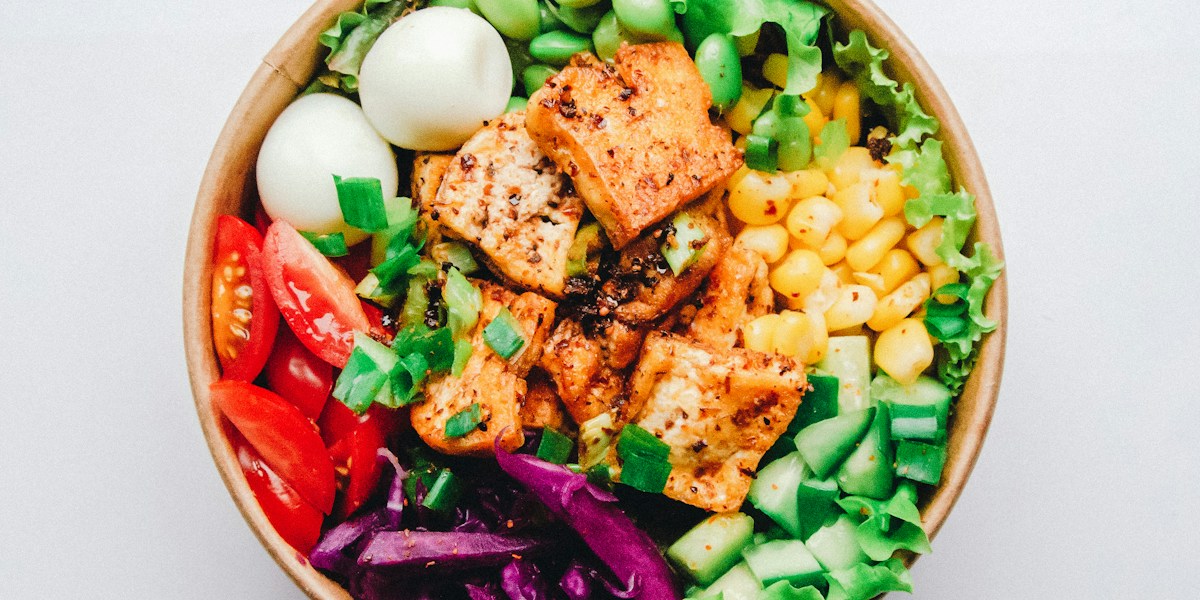
Tuxtla Gutiérrez: The Gastronomic Capital of Chiapas
Tuxtla Gutiérrez doesn't appear in Mexican gastronomic destination rankings. San Cristóbal, with its cobblestone streets and colonial aesthetics, draws all the tourist attention. But anyone who has eaten properly in both cities knows the truth: Tuxtla is where Chiapas eats, and San Cristóbal is where tourists eat.
Tuxtla is the state capital, the city where Chiapans live, work, and celebrate. Its gastronomy wasn't invented to please visitors: it's the food that Chiapans cook in their own homes, in their markets, in their neighborhood taverns. It's muscle, it's flavor, it's identity. When a Tuxtla native invites you to eat, he doesn't take you to an "authentic restaurant for tourists" — he takes you where he eats with his family.
The city has three gastronomic rhythms that define its character: the early breakfast in the markets (6-9am), midday dominated by almuerzo as the main meal (12-3pm), and the afternoon botaneros, that unique tradition where you order a drink and food arrives as a gift. Each rhythm has its rules, its places, its characters. Learning to eat in Tuxtla is learning to live in Tuxtla.
Why Tuxtla and not San Cristóbal? Because in Tuxtla, locals eat where your guide eats. Cochito wasn't invented for tour operators: it's the breakfast of the worker who wakes early. Botaneros aren't a "concept" — they're the social institution where business happens, where politics are discussed, where friendships are sealed. The market isn't a museum of gastronomy: it's where people buy food because it's good and it's cheap. Everything here is real.
Prices in Tuxtla are a third of San Cristóbal's. A full breakfast in the market runs 50-80 MXN. Legendary cochito costs 150-200 MXN. A botanero with drinks and appetizers 80-150 MXN. Eat like a king for a fraction of the cost, and you'll be eating where Chiapas really eats.
This gastronomic route isn't about "visiting" Tuxtla's food. It's about understanding how a city of 650,000 inhabitants lives, how it nourishes itself, how it gathers. It's about sharing a table with construction masters, merchants, office workers, and discovering that the best education about a city doesn't come from a guide — it comes from someone who invites you to eat where they eat.
Stop 1: Breakfast at Tuxtla's Central Market
Tuxtla's Central Market is the epicenter of Tuxtla breakfast. It's not a market for tourists. It's a market where by 5:30am there's already a line at the tamale stalls, where taxi drivers, construction workers, and office workers who woke early go to eat before starting their day. The market opens its doors at dawn and by 9:30am it's already winding down — everyone has eaten and gone to work.
Location: Calle Central (also known as 2a. Avenida) between 5a. and 6a. Calle Sur. In the heart of Tuxtla's historic center, 10 minutes walking from the main plaza.
What to eat (and when): The golden window is 6-8:30am. After 9am, stalls start closing.
Tamales de chipilín: The quintessential Chiapas breakfast. Chipilín is a local aromatic herb that gives a unique flavor, slightly bitter and very fragrant. Tamales here are made fresh every dawn. Look for stalls with a line — those are the good ones. Price: 40-60 MXN for 3-4 tamales. Eat with a café de olla.
Tamales de rajas con queso: Milder than chipilín tamales. Poblano chile, Oaxaca cheese, tender masa. A classic that never disappoints. 40-50 MXN.
Atol de granillo: A thick, sweet drink made from ground corn with cinnamon, cloves, and a touch of vanilla. It's more than a drink: it's a thermal, comforting experience. Chiapans drink it as a complement to tamales. Price: 20-30 MXN per cup. Many stalls include a small cup free with your tamale purchase.
Café de olla: Traditional Chiapas coffee made in a clay pot with piloncillo (brown sugar) and cinnamon. It's the working breakfast of Chiapas: bitter, strong, comforting. 15-25 MXN. Old stalls are the best — look for clay pots that are decades old.
Agua de chía: Hydrating drink made with chia seeds, water, lime, and sugar. Light and refreshing, perfect if you prefer something less heavy than atol. 15-20 MXN.
Fresh tortillas: If you want to see production live, look for tortillería stalls. Women making tortillas by hand on comals from 5am. You can buy 24-30 tortillas for 25-35 MXN. If you arrive at 6-6:30am, they're still hot.
Local tip: Don't photograph vendors without asking. Many Chiapas markets have complicated relationships with photography — respect that. What matters isn't the photo: it's the experience. Eat, taste, chat with the vendor. Ask where the chipilín comes from, how the atol is made. Most vendors are generous with their stories if they see genuine interest.
Total stop time: 1-1.5 hours. Arrive between 6:30-7am for the market's best moment.
Stop 2: The Cochito Route — Heart of Tuxtla
If there's one dish that defines Tuxtla, it's cochito. It's not just roasted pork — it's a ritual, an institution, a declaration of identity. Tuxtla is cochito the way New York is pizza. The word itself, "cochito," comes from the diminutive of "cochino," and in Tuxtla it's spoken with the same respect wine is discussed in France.
What is cochito? Young pork (suckling pig) marinated in citrus juice, local spices (bay leaf, pepper, cumin), and slowly cooked in a clay oven for 4-6 hours until the meat is so tender it falls apart at the touch. The skin remains crispy but not dry. The fat integrates with the meat until it's impossible to separate them — it's a single tissue of flavor. It's served with roasted small onions, tostadas, and salsa borracha (made with pulque and chiles).
History: Cochito is heritage from Spanish colonial cuisine, but completely reinterpreted in Chiapas. The Spanish roasted pork. Chiapans learned to marinate it with what they had: lime, sour orange, regional spices. The result is a dish that doesn't exist in Spain — it's entirely Chiapan, entirely tuxtleco.
Where to eat it (best to very good order):
1. Las Pichanchas (Mandatory Reference)
Location: Avenida Central (2a. Avenida) between 1a. and 2a. Calle Sur. In the heart of downtown, steps from the main plaza.
Hours: 10am-6pm (closes 2-3pm for restocking)
Specialty: Wood-fired cochito, old-style. The presentation is rustic — meat comes on a pewter plate, no decorations. As it should be.
Price: Individual order 120-150 MXN. Family order (2-3 people) 350-450 MXN.
Tip: 10-15%.
Why: Las Pichanchas is the Tuxtla institution. It's been in the same location for 40+ years. The original owner is now elderly but his daughter maintains the formula. The oven is the same since 1970. It's not for tourists — it's for Tuxtla natives who know. If there's a line, wait. The line means it's the only place that truly matters.
2. Small Cochiterías in Central Sector (Avenidas 1a-3a, Calles 4a-6a)
Location: There are at least 6-8 small informal cochiterías scattered along the main avenues. Look for handwritten signs that simply say "COCHITO".
Hours: They vary, but typically 11am-5pm
Price: 100-150 MXN per individual order
Atmosphere: Ultra-local. Plastic tables, regional Chiapas music playing. The person serving is the same one cooking. It's as authentic as it gets.
Why: If you don't have a specific recommendation, these are your best options. Quality varies, but overall all are good because competition is fierce. Tuxtla natives don't tolerate mediocre cochito.
3. Supermarkets (Plan B)
Walmart, Soriana, Chedraui sell cochito in the prepared meats section, vacuum-sealed. It's not the same as oven-baked, but it's respectable. 180-220 MXN per kg. Useful if you want to take it back to your room.
How to eat it: Cochito comes with tostadas and salsa. Take a tostada, place a piece of crispy skin and some meat, splash with salsa, and eat. The grease left on your fingers is part of the experience — proof of authenticity. Chiapans don't use napkins: they use tostadas.
Pairing: Tascalate (drink made with corn, cocoa, and spices) or Pepsi/Coca. In Tuxtla, nobody drinks wine with cochito — something cold and refreshing. Local beer (Modelo Especial, Indio, Corona) also works in the evening.
Key tip: Cochito is best eaten at midday (12-2pm), not at dinner. It's a heavy, greasy, intensely flavored dish — it needs the rest of the day to digest. If you eat it at 9pm, you'll sleep uncomfortably.
Recommended total time: Go at 12-1pm. Eat 45 minutes. Perfect.
Stop 3: Afternoon Botaneros — Tuxtla's Social Institution
Botaneros are the most Tuxtla thing that exists. They're not simply "free food with drinks" — they're a social, economic, and cultural institution that defines how Tuxtla natives relate to each other. In Tuxtla, a botanero isn't an option: it's the correct way to have something to drink in the afternoon.
What is a botanero? When you order an alcoholic drink in certain bars (typically between 3-8pm), the bar gives you food as a gift. That is: pay for the drink, receive whatever you want to eat for free. The word comes from "botana" (appetizer), but it's more than that. It's a fixed price per drink (typically 60-100 MXN), and the food that accompanies it is varied, generous, quality.
The culture of botaneros: In Tuxtla, the botanero is where business is closed, where politics are discussed, where conflicts are resolved, where friendships are made. A couple having relationship problems goes to a botanero. A group of construction workers finishing the day goes to a botanero. A politician wanting to lobby goes to a botanero. Tuxtla natives call this "going to have something to drink," but really it's "going to share food with people."
Unwritten rules of botaneros:
1. If you enter a botanero, whether you order a drink or not, you're accepting being in a social space. Greet whoever is sitting nearby.
2. Botaneros have no menu. What comes is what the bar prepared that day. Eat what's there — complaining is rude.
3. Typical botana includes: chicharrones, fresh cheese, ham, refried beans, salsa, tostadas, and occasionally ceviche or shrimp.
4. You can order a second drink if you finish. Usually there's no limit — eat everything you want.
5. Botanero time is typically 3-7pm. After 8pm it's no longer "botanero" — it's just the bar.
6. Tuxtla natives passing by often greet the bar staff — it's a community. It's not unusual for a stranger to sit at your table.
Tuxtla's Best Botaneros:
1. El Fogón Norteño (Institutional)
Location: Avenida 1a Sur, between 2a. and 3a. Calle. Tuxtla downtown, easy access.
Hours: Monday-Friday 3-9pm, Saturday-Sunday 2-10pm
Drink: 80-100 MXN (beer, tequila, mezcal)
Special: Varied botana with small chile relleno, calabash flower quesadillas, chicharrón, ham
Atmosphere: Mix of workers, vendors, and locals. Tables are wide — it's common to share space with strangers.
Why: El Fogón is legendary in Tuxtla. It's been in the same location for 30+ years. The original owner (a 70+ year old man) still serves some days. The botanero here is generous and varied. It's where Tuxtla natives go to "be" in the afternoon.
2. Los Milagros (Classic Neighborhood)
Location: Calle 3a. Sur, between Avenida 1a and 2a. Downtown, walkable zone.
Hours: 2-8pm (closed Sunday)
Drink: 70-90 MXN
Special: Pickled chicharrones, shrimp ceviche, quesadillas, bean tostadas
Atmosphere: Less "touristy" than El Fogón — more local, more intrusive. If you speak basic Spanish, they'll want to adopt you.
Why: Los Milagros is where musicians, artisans, market workers eat. It's truth without filters.
3. La Cabaña (Newer Generation)
Location: Avenida 2a. Sur, between 4a. and 5a. Calle. Non-touristy zone but accessible.
Hours: 2-9pm (Monday-Sunday)
Drink: 85-110 MXN
Special: Garlic shrimp, ceviche, mixed botana
Atmosphere: Slightly more "modern" without losing authenticity. Better lighting than the others. Office workers come here.
Why: If Los Milagros seems too rough and El Fogón too crowded, La Cabaña is the perfect middle ground.
How to behave in a botanero (if you're foreign):
1. Order "una cervecita" or "un tequila pequeño" — Tuxtla natives order modest amounts.
2. Eat everything they give you. If someone asks "¿qué tal está?" (how is it?), say "delicioso, muy bien preparado" (delicious, very well prepared).
3. If someone wants to chat, let them talk. Tuxtla natives are curious and warm. Explain where you're from, what brings you to Tuxtla.
4. Don't photograph the food or the atmosphere without asking — especially if there are women. Respect that.
5. If it's your first time, the bartender will take pride in explaining everything — thank them, listen.
6. Tip is 10-15% of the drink (not the food — food is a gift).
Total spend per person: 80-150 MXN. It's the most economical way to eat well in Tuxtla after market breakfast.
Best time: Go between 4-5:30pm. The botanero is full but not crowded. The food is still fresh.
Stop 4: Tuxtla's Street Snacks
Street snacks are Tuxtla's true between-meal eating. They're not "tourist street food" — it's what Tuxtla natives eat between activities, on their way from work, while waiting for a bus, during a market break. They're short meals, concentrated in flavor, designed to eat while walking without making a mess. Prices range from 20-60 MXN.
Elotes de Tuxtla: Corn is popular throughout Mexico, but the Tuxtla elote is particularly loaded — enormous kernels, cooked until they almost fall apart, bathed in mayo, grated Oaxaca cheese, Tajín chili powder (chili and lime dust), and often a touch of chamoy. The difference is that vendors here don't skimp — they fill the paper completely. Price: 35-50 MXN. Look for vendors with a pot of boiling water visible in the street — that means they make them fresh.
Marquesitas de Tuxtla: A trademark of Chiapas. It's a tube of thin, crispy dough, filled with Oaxaca cheese and pork ham, all freshly made. It's sold hot, just off the comal. The difference between good and bad marquesita is the thickness of the dough: too much and it's hard, too little and it breaks. Good ones are slightly crispy, with the cheese still melted inside. Price: 30-45 MXN. Look for stalls with a line — the line means quick production (good ones).
Nuégados (Regional Sweet): Fried dough balls the size of a walnut, bathed in honey. Sounds simple, but well-made nuégado is beautiful — the dough is airy but not raw, the honey is local and aromatic. It's more dessert than snack, but it's sold in the street. You eat it hot. Price: 25-40 MXN. Look for old stalls — "La Nuegatera" is legendary in Tuxtla (location: Calle 3a. Sur, near the market, from 4pm onward).
Banana Empanadas (Sweet or Savory): Semicircle of fried dough filled with banana (sweet, with cinnamon and sugar) or cheese with epazote (savory). Small to medium size. Price: 20-35 MXN. Sold hot, perfect for carrying. They're not hard to find — there are vendors on almost every market corner.
Cochito Tostadas: The most economical way to try cochito — instead of a full order (120-200 MXN), a tostada made fresh with cochito, onion, and salsa. It's essentially a cochito "taco" on crispy tostada. Price: 20-30 MXN. They're sold at the cochiterías themselves, and also at street stalls around the market.
Esquites (Loose Cooked Corn): Cooked corn kernels, seasoned with mayo, cheese, chili, and lime. Eaten with a plastic spoon directly from the cup. Hydrating, light, delicious. Price: 20-30 MXN. Especially popular in the evenings around Marimba Park.
Tamales Sabaneros (Quick Lunch): A smaller type of tamal than breakfast ones, made with dough filled with shredded chicken and olives. Typically sold between 10am-1pm. Price: 25-40 MXN. Look for vendors shouting "¡Tamaleeees sabanerooooos!" in the street — that's a guarantee of authenticity.
Where to find them:
- Market Zones: Streets around the Central Market (Calle Central, Avenida 2a. and 3a.) have permanent and mobile vendors throughout the day.
- Marimba Park: Afternoons-evenings (4-8pm), roaming snack stands appear around this popular plaza. Esquites, elotes, marquesitas.
- Bus/Taxi Stops: Any busy corner has at least one stall. It's where people travel and need to eat.
- Schools and Markets: During dismissal (12:30-1pm, 5-6pm) vendors know exactly when students and workers arrive.
Tip: Snacks are best eaten while exploring. Buy, eat walking, and keep discovering Tuxtla. You don't need to sit — that's the point.
Total spend if you eat 3-4 different snacks: 100-150 MXN. Perfect for early dinner or late afternoon snack.
Stop 5: Contemporary Chiapan Cuisine Restaurants
If you want to hear the most heated debate in Tuxtla, ask: "Where's the best Chiapan food restaurant?". Tuxtla natives are visceral about their gastronomy. There are places that "elevate" traditional cuisine with technique without losing authenticity, keeping the root flavors but presenting them differently. It's not insulting "fusion." It's respect for tradition, but with 21st-century hands.
TierrAdentro (The Must-Visit)
Location: Avenida 6a. Poniente 543-545, corner with Calle 3a. Sur. Central zone but not touristy — where locals with money eat.
Reservations: Recommended, especially weekends. Call +52 961 612-3445
Hours: 12pm-10pm (closed Sunday)
Specials: Rethought Chiapan mole (7 variations of the same mole, presented in small portions for tasting), smoked tamale (tamale filled with smoked cheese), stone broth (red stock with fish), confited cochito (low-temperature cooked cochito).
Price: Main course 180-280 MXN. Tasting menu 450 MXN. Drinks 50-120 MXN.
Why: The chef (originally from Tuxtla, studied in Oaxaca) has almost religious respect for local ingredients and ancestral techniques. He didn't invent anything — he reinterpreted. Dishes use unknown sources, textures that transform without disrespecting the original. It's meant to be eaten slowly, conversing, understanding the flavors.
Casa Blanca Restaurant (Family Value)
Location: Avenida Central 1092, between Calles 8a. and 9a. Sur. Historic center, easy access.
Hours: 11am-10pm (closed Monday)
Specials: Relleno blanco chiapaneco (ground eggs with spices, very distinctive), red pipián, banana chalupas, white tamales
Price: Entrees 120-180 MXN. Much less expensive than TierrAdentro but without losing quality.
Atmosphere: Family, welcoming. Grandmothers eating around, relatives stopping by. It's a genuine space.
Why: Casa Blanca doesn't "reinterpret" — respectfully maintains tradition as it is. Dishes taste exactly like someone's grandmother made them, but with consistency and care. It's Chiapan gastronomy without ego.
El Comedor (True Elevated Informal)
Location: Calle 4a. Sur 408, between Avenidas 1a. and 2a. Market zone.
Hours: 11am-6pm (closed Sunday)
Specials: Chanfaina chiapaneca (organ stew), red adobo, seasonal vegetable broth
Price: Set meal (soup, main, drink) 80-120 MXN.
Atmosphere: 4 tables. Cement floor. Local radio music. Ms. Rosario does the cooking. It's as authentic as it gets.
Why: It's not a "restaurant" in the formal sense. It's Rosario's house turned into a dining room. Market workers come here. Prices reflect that it's family, not business.
Tip: If you want to understand Chiapan gastronomy in one meal, go first to El Comedor, then Casa Blanca, then TierrAdentro. You'll understand the evolution: from the most honest, to the respected, to the reinterpreted.
Stop 6: Chiapan Drinks and Desserts
Chiapas' drinks and desserts are a direct extension of the state's cultural identity. They're not casual "sweets" — they have history, specific ingredients, and preparation methods dating back centuries. Chiapans drink their beverages with the same seriousness they respect cochito.
Pozol Blanco (Ceremonial Tuxtla Drink): Whitish liquid made from cooked and shelled corn, mixed with chicken broth, salt, and spices. Served hot in a clay bowl. It's less a "beverage" and more a "ceremonial broth" — Chiapans drink it on special occasions and market days. The taste is delicate, mineral, almost without sweetness — it's pure grain and broth. Price: 30-45 MXN. Sold mainly at the Central Market between 5-10am.
Tascalate (Ancient Power Drink): Powder of toasted corn, pure cocoa, achiote (red-colored seed), almond, cinnamon, and clove. Prepared by grinding everything on a molcajete stone, and dissolved in hot water — or sometimes cold water. The result is a dense, aromatic, earthy drink, with a flavor difficult to describe if you haven't tasted it. It's the drink of the ancient Maya, and Chiapas still prepares it this way. Price: 25-40 MXN. Sold at specialty shops (look for signs saying "Tascalate Hecho a Mano") and at some markets. Best is to learn to make it at your accommodation — ask your host to teach you.
Agua de Chía with Lime: Hydrated chia seeds in water with fresh lime, sugar, and ice. It's simple but refreshing, especially after eating cochito (which is very heavy). Hydrating, light, local. Price: 15-25 MXN. Sold at almost any drink stand.
Chocolate Atole (Chiapan Version): Drink of ground corn with pueblo chocolate (artisanal chocolate, without lecithin), cinnamon, cloves, and vanilla. Beaten with a molinillo (wooden whisk) until it foams. It's dense, addictive, perfect for breakfast or snack. Better to try the one prepared at Coita markets (Ocozocoautla Municipal Market) — they have ancestral Zoque recipe. Price: 20-35 MXN.
Regional Desserts:
Cocadas (Coconut Sweets): Small balls made of grated coconut, sugar, and ground almond. Slow-cooked in syrup. The result is a dense sweet, almost caramel-like, that melts in your mouth. Price: 30-50 MXN the box of 6-8 pieces. Sold at Dulcería Chiapaneca (Avenida Central, almost across from the Cathedral) and small artisan market stands.
Chimbo (Corn Sweet): Block of ground corn, honey, and almond, slow-cooked until it forms a dense, gummy sweet. Texture like toffee but pure corn taste. Price: 40-60 MXN the piece. Look for "Chimbo de la Abuela" or older vendors — their chimbo is better than commercial.
Sweet Potato Sweets (Camote and Honey): Sweet potato root cooked, crushed, mixed with cane honey and wrapped in banana leaf. Simple but deeply local. Price: 20-35 MXN the piece.
Where to try drinks and desserts:
- Central Market: Drink stalls between Calles 3a. and 4a. Sur (pozol, atole, tascalate)
- Dulcería Chiapaneca: Avenida Central 1049, between Calles 7a. and 8a. Sur. Specialty shop, all kinds of regional sweets.
- "La Vega" Bakery: Avenida 1a. Sur 405. Has more modern desserts but using Chiapan ingredients (Chiapan chocolate, local fruits).
- Ocozocoautla Market (Coita): If you travel to Coita, the market has the purest versions of tascalate and atole, made with ancestral Zoque methods.
Tip: Chiapan desserts are dense and sweet. One piece is enough. Eat slowly, with coffee or tascalate. Chiapans don't rush desserts — they savor them.
Stop 7: Tips for Eating in Tuxtla Like a Local
The best eating times (The Tuxtla rhythm rule): Tuxtla has three eating moments and each has its social logic. Breakfast is 5-9am (markets open, working Tuxtla natives, cheap prices). Lunch is the IMPORTANT meal — 12pm-3pm, when people take their main break. It's the biggest meal of the day. Afternoon (3-8pm) is for botaneros — drinks, conversation, botana. Dinner is light, typically 7-10pm, and many places simply don't open for dinner because "people already ate." If you arrive in Tuxtla at 6pm and hungry, options: wait for a botanero, or eat a street snack. There's no "dinner culture" here — it's breakfast, lunch, botanero.
Where you shouldn't go (and why): "Touristy" restaurants around the Metropolitan Cathedral and Main Plaza are tourism traps — mediocre food, inflated prices, disinterested service. Tuxtla natives don't eat there. Tuxtla's "Historic Center" isn't a gastronomic destination — it's a shopping and church destination. Real food is two blocks away, in the opposite direction, where there are no tourist traffic lights.
Safety and common sense: Tuxtla is a normal city, not a "dangerous" destination. But apply logic: don't display expensive professional cameras at the market, don't leave your phone unattended on a botanero table, keep your backpack closed. If something feels uncomfortable, trust your instinct. Ask your property host which areas are "normal" and which to avoid. Most of Tuxtla is safe — it's a working person's city, not a cartel city.
How to choose where to eat (The non-tourist rule): If you see a place full of tourists, very clean, with food photos, it probably isn't the best. Look for: (1) Queue of locals. If there's a line, it's good. (2) Visible food — chicken being roasted, tamales being made, cochito in the oven. (3) Owner or cook on the premises. If the owner is there, eat there. (4) Reasonable price — if a dish costs 350 MXN in a meal where all others cost 120 MXN, be suspicious. (5) No menu/hand-written menu. The best places don't have printed menus — "there's cochito today, there's tamales, there's pozole."
Useful dialogue with vendors: Chiapan vendors appreciate the attempt at Spanish, and if they see genuine interest in learning, they're generous. Useful phrases:
- "¿Qué me recomiendas?" (What do you recommend?) — Opens conversation, the vendor takes pride in the recommendation.
- "¿Es de hoy?" (Is it from today?) — Asks about freshness, shows you know how to distinguish.
- "¿De dónde es el chipilín?" (Where does the chipilín come from?) — Local-sounding question, vendor will want to explain.
- "¿Hace mucho que trabajas aquí?" (Have you worked here long?) — Opens door to stories. Many vendors have worked for decades.
The Marimba Park rule (Evening): Parque de la Marimba is Tuxtla's emotional heart from 5pm onward. Marimba groups play live Chiapan music, snack vendors appear, families walk, couples sit. It's a social rhythm. People come from across the city. If you want to feel Tuxtla's real pulse, come here at sunset, buy a snack, sit, and listen. Don't photograph people without asking — respect that it's a genuine social space, not a "cultural stage."
How Tuxtla natives choose where to eat: Ask: "¿Dónde comes tú?" (Where do you eat?). A Tuxtla native will never recommend their favorite restaurant without some vulnerability — because their recommendation is an extension of themselves. If someone invites you to eat where they eat, it's because they consider you. That's the opposite of "tourist information" — it's intimacy. Appreciate that.
Special timing: Sunday breakfast: On Sundays, the Central Market fills with people who've been to Mass and come to breakfast. It's messier, noisier, more alive than other days. If you want to see Tuxtla at its most social moment, Sunday 8-10am at the market. It's not "for tourists" — many tourists go because it's famous, but those who truly understand know it's genuine.
The rhythm of prices: Prices vary slightly by zone. Historic center (Avenidas 1a-3a, Calles 1a-6a) is more expensive. Peripheral zones are cheaper. Central Market is the cheapest. Restaurants with "decoration" cost more. Most economical always: market, comedores, street stalls. Most expensive: tourist zones and restaurants with visible air conditioning.
Suggested itineraries
Tuxtla Gastronomy in One Day
Compressed itinerary for those with only 24 hours. Market breakfast, midday cochito, afternoon botanero, evening snacks. A quick introduction to all Tuxtla rhythms.
Complete Flavors of Tuxtla
Three days to deepen: Day 1 - Markets and breakfasts, Day 2 - Cochito route and contemporary restaurants, Day 3 - Botaneros, snacks, and day trip to Chiapa de Corzo (include meal in Magic Town). Add regional drinks and desserts daily.
Tuxtla & Surroundings: Regional Gastronomic Route
A full week exploring Tuxtla and its neighboring municipalities. Days 1-3: Deep Tuxtla (markets, cochito, botaneros, restaurants). Days 4-5: Excursions to Berriozábal and Coita, tasting ancestral Zoque gastronomy. Days 6-7: Chiapa de Corzo (Magic Town, Sumidero Canyon). Each town has its own gastronomic identity. This route includes all of them.
✨ Book & Save
Recommended links to complement your trip. Booking through these links supports Marimbas Home at no extra cost.
Related guides

Chiapan Gastronomy: Unique Flavors of the South
From chipilín to posh: ingredients, dishes and markets that make southeastern Mexican cuisine unique.
Berriozábal and Coita
Discover Berriozábal and Coita: two peaceful towns 20 minutes from Tuxtla with all the.
Tuxtla Gutiérrez
Discover Tuxtla Gutiérrez: things to do, where to eat, nearby day trips and why it