
Introduction: The World Silver Capital
Taxco de Alarcón is far more than a picturesque Guerrero village: it's the world capital of hand-worked silver, the city where Spanish conquistadors discovered abundant silver veins in the 16th century and where, in the 20th century, William Spratling revolutionized modern jewelry design. Located at 1,778 meters altitude in the Sierra Madre del Sur, Taxco is a cascade of white houses descending an nearly impossible mountainside, where cobblestone streets twist at unexpected angles and Santa Prisca Church watches from on high like a baroque jewel embedded in rock.
The city received UNESCO World Heritage status in 2002, recognition reflecting its historical importance both in colonial era and modern artisanal movement. Taxco is not a museum frozen in time, but a living city where artisans continue using 500-year-old techniques to create pieces sold in New York and Paris galleries. Emotional intensity is palpable everywhere: in dedication of silversmiths who inherited their craft from parents and grandparents, in fervent spirituality during Holy Week, in energy of tourists and collectors seeking perfect pieces in the Silver Market. At merely three hours from Mexico City via Autopista del Sol, Taxco represents perfect escape for those seeking genuine authenticity, not diluted tourist versions. Here, a coffee at Plaza Borda costs the same as ten years ago. An authentic silver necklace is worth exactly what silversmith invested in creation. Holy Week processions don't happen "for tourists" but for devotees who have participated for generations. Taxco invites you to travel through time while breathing clean mountain air, watching sunsets that paint white facades orange, and understanding why William Spratling dedicated his life to this singular city.
Journey to Taxco is journey to roots of Mexican identity: to how Spanish conquest and indigenous resistance created unique synthesis. It's journey to beating heart of Mexican craftsmanship in its most refined form. It's journey to profound faith animating community to celebrate Holy Week with intensity few places worldwide can equal.
Santa Prisca & Historic Center
Santa Prisca Church dominates Taxco not only through position on highest mountain, but through overwhelming beauty of its Churrigueresque architecture. Built between 1751 and 1758 with fortune of Borda family (18th-century silver barons), every centimeter of this church tells story of wealth, devotion, and artisanal mastery. Its pink stone facade descends in terraces to Plaza Borda, as if mountain itself had been polished to create this temple. Pillars are decorated with exuberant ornamentation, niches hold saints in marble and terracotta, bells (forged in Puebla) sound through valley every morning at six.
Inside Santa Prisca, experience is almost overwhelming. Retablos are clad in 24-karat gold, colonial stained glass projects colored light on imported marble floors, incense smell that has permeated these walls 270 years floats in air like invisible spirit. Nativity Chapel contains ebony wood sculpture of Christ, with silver and semiprecious stone inlays. Guadalupe Virgin Chapel houses 17th-century Juan Correa oil painting showing Virgin crowned by angels. Dark mahogany confessionals, carved wood choir chairs, every object inside Santa Prisca could be in international museum.
Plaza Borda, facing church, is Taxco's social heart. Here silversmiths display best pieces in small shops, tourists and locals sit in cafes drinking coffee watching Santa Prisca facade lit at sunset, city musicians play marimba on nights. Casa Borda, three-story colonial mansion dominating regional economy for centuries, occupies plaza's north side. Today it functions as museum and cultural center. Its interior courtyards decorated with talavera tiles imported from Puebla in 18th century, its rooms have ceilings over three meters high, its floors are regional fired clay. Walking Casa Borda apartments teaches you how colonial elite lived.
Ex-Convent of San Bernardino, founded 1579, rises steps from Santa Prisca. This Franciscan convent was center of religious conversion of indigenous population. Still preserves original cloisters with stone arches and fountains, open chapel (Indian chapel) where friars preached from elevated pulpit to masses of natives who couldn't enter main church. This architectural contrast—church closed to Spanish and Creole, chapel open to indigenous—reflects New Spain's social structure almost viscerally. Visiting Ex-Convent teaches you how spiritual conquest shaped urban geography and Mexican mentality.
Walking cobblestone streets around historic center reveals silver shops in colonial mansions once miners' estates, restaurants in old inns, art galleries where contemporary artists display beside pre-Hispanic pieces. Callejón de los Muertos (Street of the Dead), one of oldest routes, descends from Plaza Borda toward working neighborhoods and preserves almost intact medieval atmosphere. Its white walls, small windows, stone arches, suggest little has changed in 300 years.
Silver & Craftsmanship: Buyer's Guide
Taxco produces approximately 80% of all worked silver in Mexico, meaning you find highest concentration of professional silversmiths in Latin America. Silver Market is epicenter: colonial building housing hundreds of workshops and shops, each operated by silversmith families perfecting craft for generations. Buy directly from artisan, no middlemen. Necklaces, bracelets, earrings, rings, contemporary jewelry pieces, animal figures for decoration, silver services for banquets, all hand-worked with tools some silversmiths inherited from great-grandfathers.
Silver Market prices vary enormously. Small silver figure (dolphin, flower, key) starts at 50 pesos. Authentic silver necklace with simple design runs 300-600 pesos, depending on thickness. Artisanal bracelets: 400-1,200 pesos. Fine jewelry pieces with semiprecious stones: 1,500-5,000 pesos. Most important golden rule: always look for "925" or "950" stamp on piece. This stamp guarantees authentic silver. If silversmith can't confidently show you this stamp, it's not real silver, it's plated or inferior alloy. 925 means piece is 92.5% pure silver (rest is usually copper for durability). 950 is even purer.
In Casa Spratling galleries you find most sophisticated, expensive, and artistic pieces. William Spratling, American designer arriving in Taxco 1929, completely transformed Mexican silver market. Rather than copying colonial designs, Spratling created modern-minimalist design language inspired by pre-Hispanic archaeology. His pieces exhibit in Smithsonian Institution museums and private millionaire collections. Authentic Spratling bracelet costs 3,000-8,000 pesos, but it's art investment never losing value. Spratling earrings (characteristic geometric circle design) are Taxco icons.
Practical buying tips: first, carry cash. Many silversmiths, especially in Silver Market, don't accept credit cards. Change money at Plaza Borda money changers, offering better rate than banks. Second, negotiate. Haggling isn't offensive in Taxco, it's part of commercial tradition. Buying multiple pieces, especially large quantities, vendor may reduce price 10-20%. Third, request invoice for expensive purchases. Should include piece description, weight (in grams), purity (925 or 950), and price. Useful if reselling later or needing proof for insurance.
Other recommended workshops besides Silver Market: Los Arcos, commercial zone where silversmiths display in larger galleries. Plazuela de San Juan, where you find silver shops side by side. Callejón Juan Ruiz de Alarcón, entire street of silversmiths. William Spratling Museum (Casa Spratling) exhibits work tools, designs, and finished pieces you can buy. Taxco silver transports across international borders without issues: it's legal, no customs restrictions, no special certificate needed.
Colonial Architecture: Geometry of Time
Taxco is living lesson in Mexican colonial architecture. White houses (whitewashed yearly on Santa Prisca's day) descend mountainsides in impossible terraces, their roofs of red tile made in local kilns, windows protected with wrought iron bars dating to 18th century, heavy mahogany doors weighing hundred kilos requiring solid iron hinges. Each house tells story: some were silver miners' mansions (recognizable by elaborate facades), others were craftsmen's homes (modest structure but surprising interior decoration), others were convents or religious establishments.
Fascinating about Taxco architecture is how it reflects colonial thinking. Exterior facades deliberately remain simple and elegant—this was Spanish crown legal requirement so natives wouldn't see too much Spanish wealth. But interiors are surprisingly luxurious: courtyards with fountains, rooms with three-meter ceilings, talavera tiles brought from Puebla, carved wood furniture, religious paintings framed in gold. This division between modest public and opulent private reflects mentality of control and hierarchy crown sought to impose.
Urban layout of Taxco is fascinating from planning perspective. Streets are narrow (designed for horse carriages, not modern vehicles), intersect at irregular angles, create small plazas every few blocks where neighbors gathered and merchants sold. All reflects cosmic order Catholic Church sought to impose on New World: almost mandala-like geometry with church in center (Santa Prisca) and houses radiating outward in concentric circles. This explains why climbing cable car or walking to Cristo Monumental, you see Taxco from above and understand it's almost urban mandala.
Barrio de Guadalupe is most artistic and bohemian zone of Taxco, where contemporary artists live in houses once colonial silversmiths' mansions. Guadalupe Church (1683) rises above atrium where markets once thrived. This church's walls are dark red stone (different from Santa Prisca's pink stone), suggesting it was built with cheaper local materials. Today Barrio de Guadalupe is meeting point of artists, intellectuals, bohemian travelers discovering Taxco.
Complete architectural experience requires slow walking. Climb Callejón de los Muertos, observe how houses literally built one atop other on mountain slope. Enter colonial courtyards open to public. Observe details: iron door locks (some feature designs over 300 years old), ancient mailboxes embedded in walls, street names carved in stone. Taxco invites constant urban archaeology.
Guerrero Gastronomy: Deep Flavors
Taxco cuisine is culinary expression of Guerrero identity: fusion of pre-Hispanic techniques (lava stone grinding, pit cooking) with colonial ingredients (pork, chicken, cheese) and aromatic herbs growing in local mountains. Pozole guerrerense is undisputed king of local gastronomy. Not Jalisco's red pozole, nor modern Guerrero's green: it's ancestral Taxco pozole, prepared identically 200 years ago. Made with pork feet slow-cooked in burst white corn broth, seasoned with guajillo and ancho chiles, oregano, onion, served with accompaniments: tostadas, radishes, lettuce, raw onion. Eat pozole at Comedor de Doña Rosa, institution since 1950s near Plaza Borda, where pozole costs 80 pesos and seasoning is exactly grandmother's grandmother's.
Jumiles are this region's unique culinary treasure: small insects tasting of aromatic grass and musk, which ancient Mexicas offered their gods. Found on Cerro Huixteco, mountain near Taxco. Prepared in red salsa (jumil salsa), in tacos, in broth. Trying jumiles is sensory experience viscerally connecting to pre-Hispanic Mexico. "Casa de los Jumiles" is small restaurant specializing in this dish. Guerrero mole is equally complex: minimum 15 ingredients including chiles, chocolate, spices, dried fruits, requiring hours of preparation. Served over chicken or turkey. Tortillas, always hand-made on clay griddle, are thick and flavorful—nothing like industrial tortillas.
Taxco's traditional drinks are mezcal and pulque. Mezcal from nearby towns like Tequila de Guerrero is smoother than Oaxacan mezcal, with distinct floral aromas. Some mezcals feature red worm (maguey larva), which is not tourist gimmick but authentic tradition. Try mezcal in small glass, sip slowly, observe how flavor evolves. Pulque is pre-Hispanic drink made from aguamiel (fermented agave sap), slightly alcoholized, with bittersweet flavor. It's drink indigenous peoples consumed in religious rituals. In Taxco, you can find pulque in specialized shops, though increasingly rare.
For meals with views, climb Plaza Borda restaurants. "El Portal de Taxco" offers contemporary Mexican food with direct view of Santa Prisca lit at sunset, budget 200-400 pesos per person. "La Terraza de Taxco" has terrace with 180-degree city view. "Doña Rosa" has sections with plaza view. Evenings, Plaza Borda cafes become social gathering points: coffee, sweet bread, conversation extending hours. Taxco's tone isn't "expensive" in cosmopolitan sense: eat well for 150-250 pesos, eat very well for 300-400 pesos. Coffee costs 15-20 pesos, breakfast 50-80 pesos. For authentic experience, eat in local comedors (small restaurants without fancy names) where dishes cost 60-100 pesos.
Silver Market has food section: women sell tamales, enchiladas, soup, coffee. It's true local food experience. Freshly squeezed orange juice costs 15 pesos. Local bakery sweet bread (bolillo, concha, elephant ears) costs 5-10 pesos per piece. Local ice cream in carts, made without preservatives, costs 10-15 pesos. Fridays and Saturdays, Taxco has street markets in Plaza Borda where vendors sell quesadillas, elote with mayonnaise and chile, mango with chile and lime.
Museums, Galleries & Cultural Life
Virreinal Art Museum (Casa Humboldt) houses one of most important Mexican colonial painting collections from 17th-18th centuries. Building itself is architectural jewel: house where German naturalist Alexander von Humboldt stayed in 1803 during scientific Mexico journey. Rooms preserve period furniture, ancient books, original documents. Masterworks include paintings by Juan Correa (17th-century painter), Miguel Cabrera (18th century), and anonymous retablos of enormous spiritual power. Cost: 25 pesos. Recommended time: 2 hours. Museum offers invaluable perspective on how church used art as spiritual conversion tool.
Spratling Museum (Casa Spratling) is essential to understanding importance of modern design in Mexican context. William Spratling arrived in Taxco in 1929 as American artist seeking to escape U.S. economic depression. He fell in love with city, discovered silver tradition, decided to create modern jewelry school using colonial techniques but pre-Hispanic design language. His legacy: iconic pieces in international museum collections. Museum displays original design sketches, workshop tools, photographs of Spratling with Diego Rivera and Frida Kahlo, documents about his influence. Cost: 50 pesos. Time: 1.5 hours.
Taxco Cultural Center organizes rotating exhibitions of local artists, pottery workshops, traditional dance, lectures. Check tourism office for what's showing during your visit. Holy Week transforms Taxco into global cultural epicenter: National Geographic photographers document processions, international TV producers broadcast live to millions. But even without Holy Week, Taxco has palpable cultural energy. Small art galleries in colonial mansions: "Traditional Art Gallery", "Spratling Gallery". Silversmiths working in shops (you can observe hours as they carve silver with simple tools). Taxco musicians playing marimba each sunset in Plaza Borda, creating nostalgic soundscape. Artists painting watercolors of city in cafes, selling works for 100-500 pesos.
National Silver Fair (Feria Nacional de la Plata de Taxco) occurs November-December, transforming entire city into silver gallery. Silversmiths from across Mexico bring best pieces, design competitions, work demonstrations, technical lectures. If planning to visit Taxco specifically for silver shopping or craft study, November-December is ideal time.
Cable Car & Viewpoints: Panoramic Views
Taxco's Cable Car is one of city's most iconic attractions: cable car ascending 600 vertical meters from center toward highest mountain, where Cristo Monumental stands. Experience lasts approximately 15 minutes of travel. During ascent, Taxco views expand: first you see Plaza Borda and Santa Prisca directly below, then complete cascade of white houses, then surrounding hills and finally entire valley. Clear days, you can see 50 kilometers distant. Cable car is slow and peaceful, allowing you absorb each ascent stage. Cost: 50 pesos per person (round trip). Hours: 9 AM - 6 PM, but verify beforehand.
At summit, Cristo Monumental (21-meter Jesus statue) dominates landscape. Built in 1960 as faith monument. Statue has outstretched arms in blessing gesture over city. Site has circular viewpoint with 360-degree views: northward see sierra, southward see valley where Taxco extends like relief map. Small church, souvenir shop, seats for resting. It's profoundly spiritual place: locals come pray, tourists come photograph, artists come sketch. Spending hour atop Cristo Monumental, especially at sunset when sky turns orange and Taxco's white houses glow below, is transporting experience.
La Garita is another important viewpoint: located on opposite mountain slope, accessible walking from center (requires 30-45 minutes climbing stairs). La Garita offers different Cristo Monumental views: you see city from different angle, see Guadalupe neighborhood more clearly, see surrounding mountains from different perspective. It's moderate hike, requires medium fitness. Bring water.
For more serious hiking, mountain routes circle Taxco. Route to Cerro Huixteco (where jumiles grow) takes approximately 2 hours round trip. It's authentic mountain path, not touristy. Offers city views from unexpected perspectives, contact with local nature, opportunity see native flora. Hire local guide at tourism office if preferring not to walk alone.
Holy Week: Lived Passion
Taxco's Holy Week is probably most intense and impactful religious celebration in Mexico, rivaling even Seville, Spain in drama and devotion. Thousands—locals, pilgrims from across republic, anthropologists, photographers—converge in Taxco during this holy week. Processions are not theatrical spectacles for tourists but genuine faith expressions occurring unchanged over 300 years.
Palm Sunday (Holy Week entrance) begins with palm procession where faithful carry blessed fronds. But intensity rises exponentially following days. Thursday and Friday, penitent processions (disciplinantes) descend Taxco streets. These penitents are devotees carrying heavy wooden crosses, some barefoot, some with feet bleeding from cobblestone path, literal recreation of Jesus's painful way. It's not theatrical reenactment but genuine religious act of mortification and penance. Many have done this years, some decades.
Living Way of the Cross occurs Friday afternoon. Live actors (though frequently are true devotees rather than actors) recreate Jesus's steps toward crucifixion. Starts at Plaza Borda, traverses Taxco's main streets, culminates at hill where Cristo Monumental stands. It's procession lasting hours, following specific route changing slightly yearly, integrating hundreds of participants. Observing public frequently kneels, prays, weeps.
Procession of Silence (Good Friday night) is perhaps most impactful. Occurs after sunset. Thousands of devotees descend slowly through Taxco streets carrying candles. Nobody speaks. Nobody plays music. Only sounds are footsteps on cobblestone, wind, occasionally letanies sung very quietly. Procession lasting 2-3 hours. Emotional intensity is overwhelming: some devotees weep, some walk in trance, some pray loudly. It's spiritual experience of nearly unbearable depth.
Practical advice: planning to visit Taxco during Holy Week, reserve hotel 3-4 months advance. City fills completely. Processions are public events, no tickets required, but expect thousands. Arrive early for good place. Respect religious character: not tourist spectacle but faith act. Dress respectfully (no revealing clothing). If photographer, ask permission before photographing penitents. Churches will be packed: wanting Santa Prisca entry, arrive 6 AM.
Taxco's Holy Week completely transforms city. Streets close to traffic, shops close, all attention focuses on these religious events. It's one of few times in Mexico where you feel collective faith with such intensity, where religion is not private practice but public and corporate expression.
Surrounding Areas & Excursions
Cacahuamilpa Caves are one of world's largest cave systems, located approximately 25 kilometers north of Taxco (30-40 minute drive). System consists of gigantic chambers connected by limestone passages, with stalactite and stalagmite deposits thousands years old. Normal tour takes 1.5 hours covering approximately 1.5 kilometers of system (which spans 14+ kilometers total). Most impactful chambers include Ear Chamber (with 70-meter-high walls) and Diamond Chamber (with calcite crystals reflecting light like diamonds). Cost: 65 pesos entry. Departure: hourly from 10 AM. Recommendation: not guided tour, you enter with other tourists in natural groups. Wear shoes with good grip because floor is slippery. Caves are cool (15 degrees), bring sweater.
Ixcateopan de Cuauhtémoc is town approximately 45 kilometers from Taxco (1 hour drive). According to local tradition—controversial among historians—Cuauhtémoc, last Aztec emperor, rests here. Town has colonial church, small plaza, local museum explaining Cuauhtémoc's history and capture by Hernán Cortés. It's pilgrimage place for Mexicans venerating Cuauhtémoc as resistance hero. If interested in pre-Hispanic archaeology and conquest history, worth visiting.
Tehuilotepec is mountain town south of Taxco (25 kilometers, 45 minutes) known for waterfalls. There's approximately 3-kilometer trail leading to waterfalls where you can swim. Popular family activity on weekends. Region is very green, vegetation is tropical, contrasts greatly with arid Taxco. Requires some fitness but not difficult. Cost: park entry 20 pesos.
Zumpango del Río National Park is designated national protected area. Has pine-oak forests, fauna including deer, wild boar, eagles. Hiking trails of different difficulties. Option if you want nature less touristy than Cacahuamilpa Caves but more accessible than Cerro Huixteco. Requires hiring guide, available at Taxco tourism office.
Guerrero has highway (Autopista del Sol) connecting Taxco with Acapulco (approximately 4-hour drive). Time permitting, possible to visit Taxco and Acapulco in same trip. Also connection with nearby magical towns like Ometepec.
Practical Information & Recommended Itinerary
How to get there: Taxco is located in Guerrero state, 180 kilometers south of Mexico City. Journey via Autopista del Sol (also called Autopista México-Acapulco) takes approximately 2.5-3 hours by car. Direct bus service from CDMX (South Bus Terminal) takes 3-3.5 hours costing 150-200 pesos. Taxco's famous taxis: most are classic Volkswagen Beetles (1970s-1980s) painted different colors. "Voladoras" (shared-route taxis) cost 10-20 pesos per local trip. Private taxis cost 50-100 pesos. Uber doesn't work in Taxco but radio taxis available.
When to visit: Best October-April, dry pleasant weather. Avoid June-September (rainy season). Specifically wanting Holy Week, visit March-April. Wanting Silver Fair, November-December. Altitude: Taxco at 1,778 meters means slightly cold nights (especially October-February when can drop to 10 degrees). Bring sweater. Daytime temperate (18-22 degrees).
Where to stay: Options for all budgets. Luxury: "La Posada de la Misión" (Santa Prisca view, 1,200-2,000 pesos/night). Mid-range: "Hotel Agua Escondida" (Plaza Borda, 400-600 pesos/night). Budget: "Casa de Huéspedes María" (50 pesos/bed shared dorm). Airbnb has colonial apartments in historic mansions (500-1,500 pesos/night). Any Plaza Borda hotel has immediate access to center, churches, restaurants.
2-day itinerary: Day 1 (morning): Arrive Taxco, check hotel, climb to Silver Market start exploring shops. Eat pozole at Comedor de Doña Rosa. Afternoon: Cable car to Cristo Monumental, enjoy views, descend at sunset. Dinner at Plaza Borda. Day 2 (morning): Visit Santa Prisca Church (arrive early if Sunday, more crowds). Explore Guadalupe Neighborhood and art galleries. Eat at local market. Afternoon: Museums (Casa Spratling or Casa Humboldt). Dinner at restaurant of choice at Plaza Borda.
3-day itinerary: Add to previous 2 days: Day 3 (morning): Excursion to Cacahuamilpa Caves (reserve with local tour operator or Uber to Cacahuamilpa town). Afternoon: Return to Taxco, final silver shopping, coffee at Plaza Borda. Night: Special dinner, nighttime walk through Taxco streets (beautifully lit at night).
Daily budget: Food: 150-250 pesos (local comedors), 400+ pesos (tourist restaurants). Hotel: 100-1,500 pesos depending on category. Activities: 0 pesos (walking, exploring), 50-100 pesos (museums, cable car). Silver purchases: 300-5,000+ pesos (entirely your choice). Total daily budget per person: 500-1,500 pesos without special purchases, 1,000-3,000 pesos with moderate purchases.
Safety: Taxco generally safe for tourists, especially historic center and Plaza Borda. Don't walk alone at night in remote neighborhoods. Avoid flaunting wealth (expensive watches, large cameras, visible cash). Store valuables in hotel. Transport to Cacahuamilpa Caves is safe but do during daytime. Going to night restaurants or bars, go accompanied.
✨ Book & Save
Recommended links to complement your trip. Booking through these links supports Marimbas Home at no extra cost.
Related guides

Puebla: La Joya Barroca de México
Introducción

Mexico's Best Destinations
Ultimate guide to Mexico
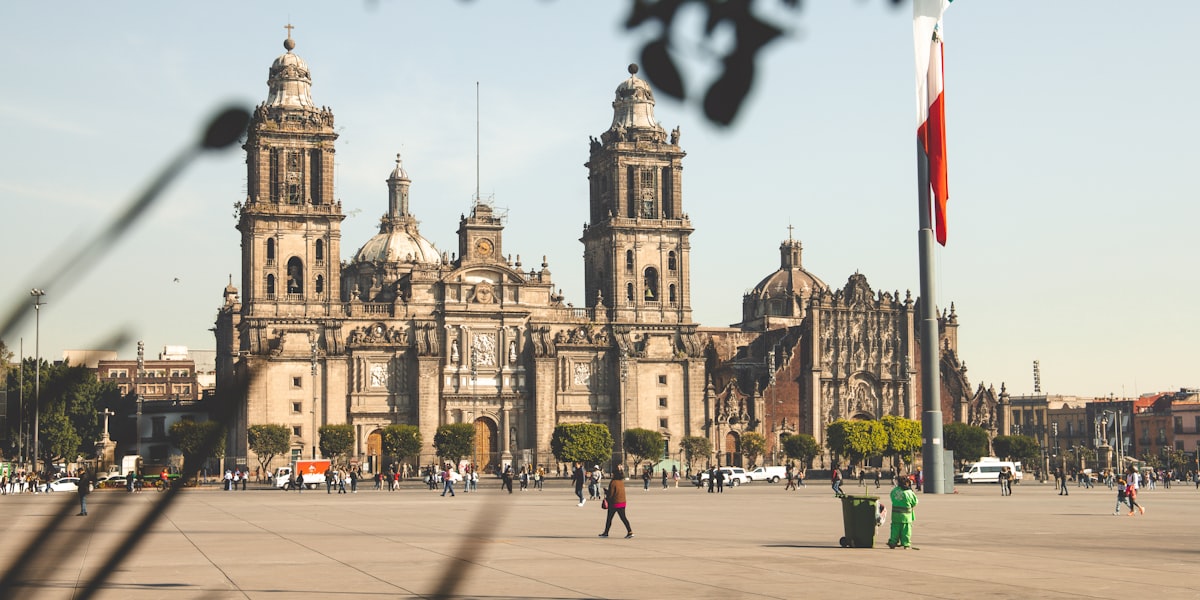
Complete Mexico City Travel Guide
Discover Mexico City: bohemian neighborhoods, world-class museums, prehispanic gastronomy.